Top 10 Global Comparison

Wood is one of humanity’s oldest materials, and saws are among the most essential tools to shape it. Across the world, the preferred types of saws vary depending on industry, tradition, and regional markets. This article presents the 10 most widely used wood saws worldwide, explains their strengths, and shows where they are most commonly used.
1. Chainsaw – The Global Number One

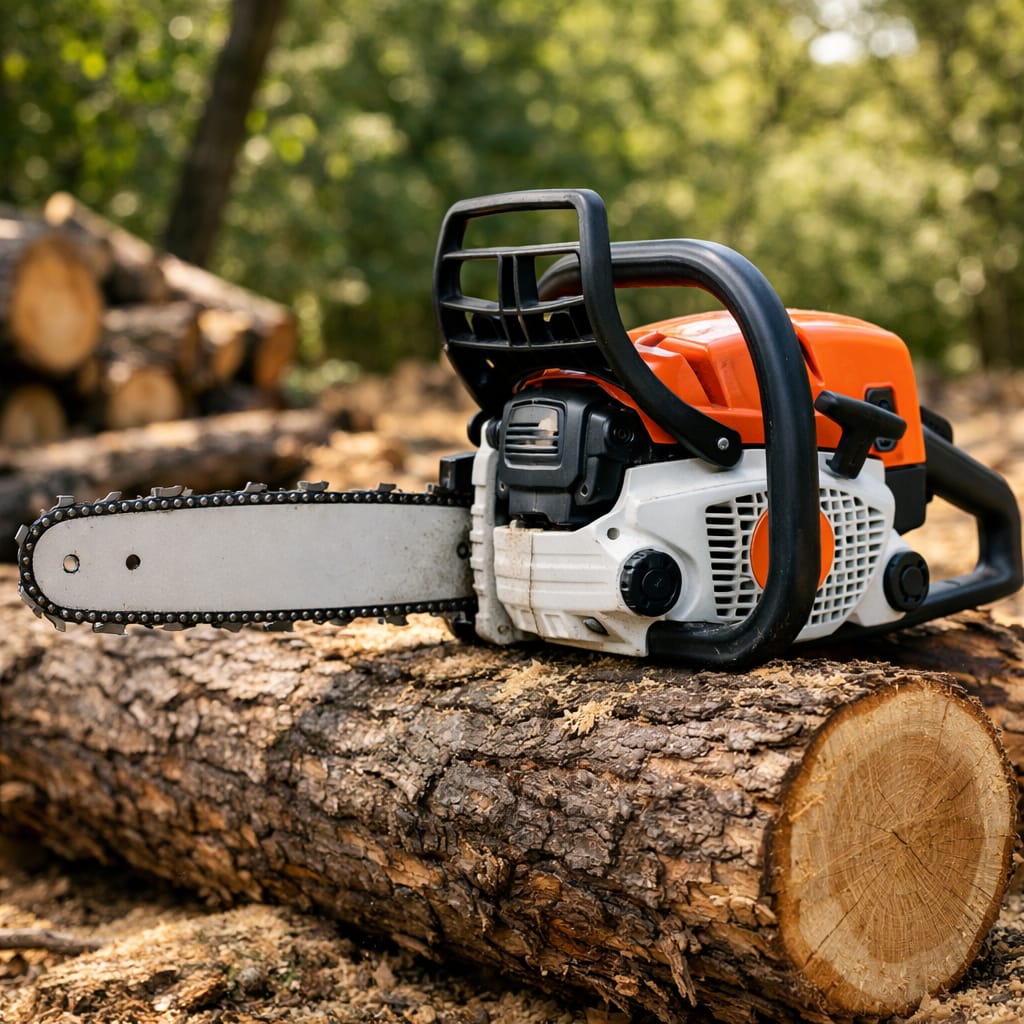
The chainsaw is the most widely used wood-cutting tool on the planet. It dominates professional forestry as well as private firewood preparation.
Why it leads globally:
- High cutting performance
- Mobile and flexible
- Huge brand variety (Stihl, Husqvarna, Echo, Makita)
- Suitable for professionals and homeowners
Typical uses: Tree felling, firewood, construction timber, outdoor work.
2. Circular Saw – The Workshop Standard
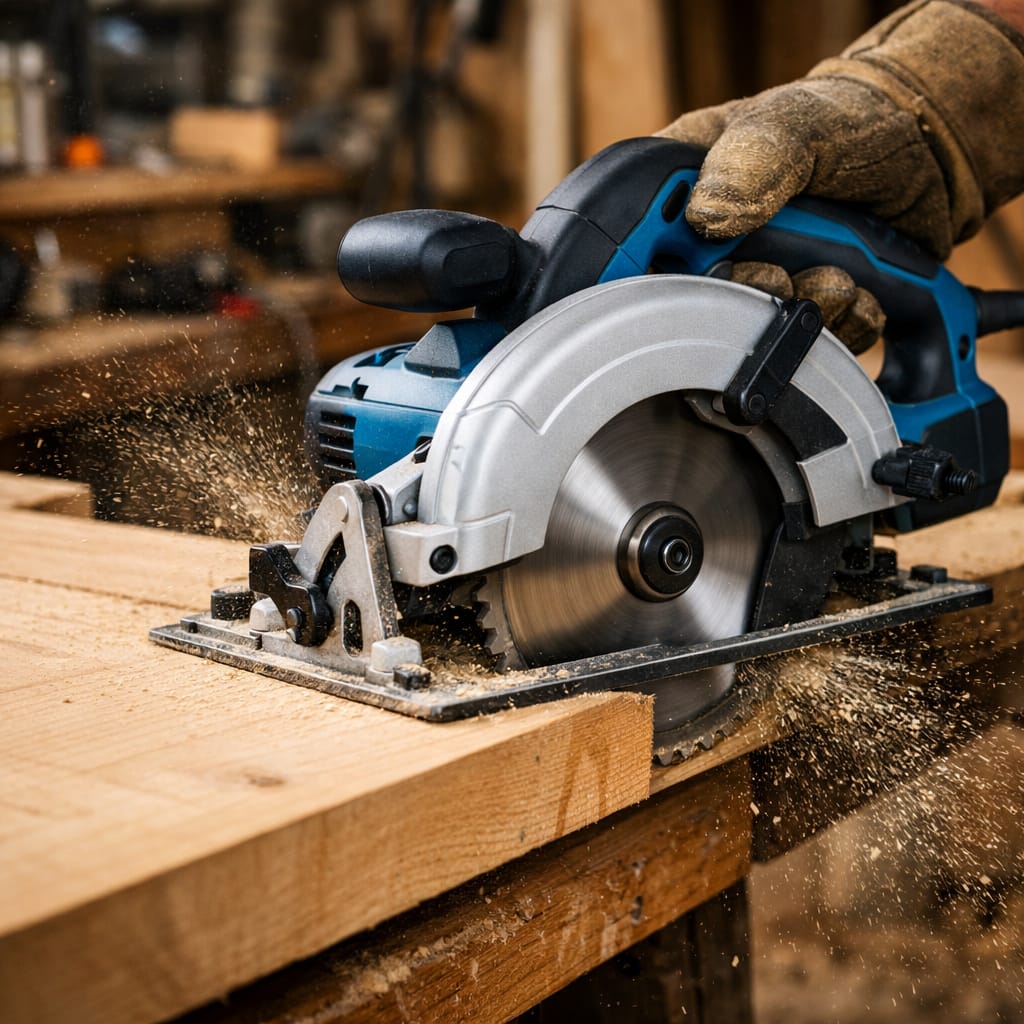

The circular saw is the most important tool for straight, precise cuts. It is found in nearly every carpentry shop and construction company worldwide.
Why it’s so widespread:
- High precision
- Fast repeat cuts
- Many variants (handheld, table saw, panel saw)
Typical uses: Construction timber, sheet goods, furniture production.
3. Band Saw – For Curves and Thick Wood

The band saw is especially popular in furniture manufacturing and professional woodworking.
Strengths:
- Very precise
- Ideal for curves
- Cuts large wood blocks with ease
Typical uses: Furniture building, solid wood processing, sawmills.
4. Jigsaw – Universal Tool for DIY

The jigsaw is one of the best-selling power tools worldwide.
Why it’s so popular:
- Affordable
- Lightweight
- Perfect for curves and cutouts
Typical uses: DIY projects, interior construction, model building.
5. Japanese Saw – Global Precision Favorite

Japanese saws (Ryoba, Kataba, Dozuki) are known worldwide for extremely fine cuts.
Special feature: They cut on the pull stroke, not the push stroke – making them more precise and easier to control.
Typical uses: Fine woodworking, furniture making, restoration.
6. Hand Saw – The Universal Classic

The traditional hand saw is used in every country – often the first tool people own.
Strengths:
- No power source needed
- Durable
- Universally useful
Typical uses: General woodwork, outdoor tasks, emergencies.
7. Panel Saw / “Fuchsschwanz” – Common in Europe & North America

This broad-bladed hand saw is ideal for fast, rough cuts.
Why it’s popular:
- Quick cutting
- Great for construction timber
- Very durable
8. Miter Saw – Essential for Angled Cuts

The miter saw is indispensable worldwide for precise angle work.
Typical uses: Picture frames, trim, interior finishing.
9. Reciprocating Saw – Dominant in USA & Canada

The reciprocating saw is extremely common in North America, especially for demolition.
Strengths:
- Perfect for rough work
- Cuts wood, metal, plastic
- Very robust
10. Pruning Saw – Outdoor Standard Worldwide

Pruning saws are used globally in gardening, forestry, and outdoor activities.
Why globally widespread:
- Lightweight
- Often foldable
- Ideal for camping, bushcraft, gardening
Regional Differences – USA, Canada, Europe, Asia
United States
- Chainsaws (Stihl, Husqvarna, Echo)
- Reciprocating saws (Sawzall)
- Table saws extremely common among DIY users
Canada
- Chainsaws for forestry
- Band saws in sawmills
- Outdoor saws (Silky, Bahco)
Europe
- Japanese saws in professional woodworking
- Circular saws in construction
- Traditional hand saws widely used
Japan / Korea
- Japanese pull saws dominate fine woodworking
- Strong precision culture in woodcraft
Conclusion: Chainsaws Remain the Global Leader
Despite regional differences, the chainsaw remains the most widely used wood-cutting tool worldwide – followed by circular saws and band saws. For precision work, Japanese saws continue to gain global popularity.